
Bringing Hygge into the Singapore Home
Incorporate the laid-back Nordic look into your Singapore flat with these easy styling tips

There’s so much more to the Danish concept of hygge than clean, minimalist Scandinavian lines – it’s all about the feel-good factor, too. Think soft touchable textures, calming pools of light, and a cosy space where you can enjoy time together with your family – who wouldn’t want a home like that?
The good news is, you don’t need soaring lofts or a temperate climate to bring the Nordic lifestyle into your home. Here are practical tips on how to do hygge, Singapore-style.
The good news is, you don’t need soaring lofts or a temperate climate to bring the Nordic lifestyle into your home. Here are practical tips on how to do hygge, Singapore-style.
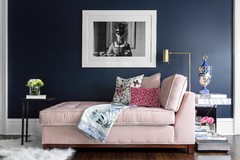
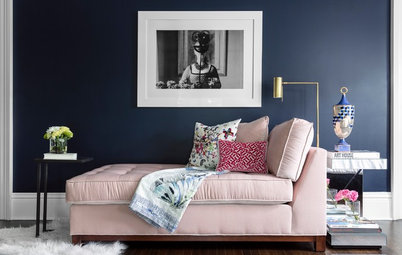
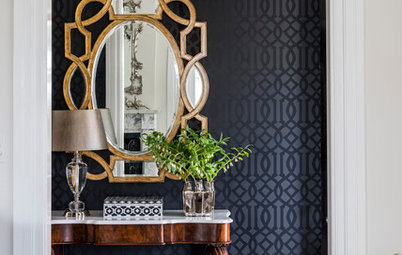
It needn’t always be white, though. Muted colours like blue-grey look good on feature walls, helping to break up the monotony and altering the mood of a room. To prevent it from looking too dark and gloomy, ensure that the colour is on a wall adjacent to a window, or where enough sunlight reaches it – the play of light on the wall helps to keep it looking cosy, instead of dreary.
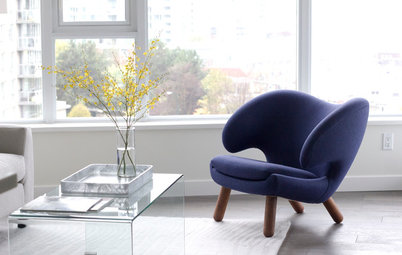
Hygge isn’t always about a laid-back atmosphere – it means fun and playfulness, too. Create a lighthearted, whimsical look by adding pops of pastel like these blue and pink Eames armchairs – they’ll look especially good in a study or children’s room.
Artwork is another great way to infuse colour and energy into a home. A vibrant, detailed piece like this one, casually leaned against the wall, brightens the room without blocking the light or being too formal.
See more of this home
Artwork is another great way to infuse colour and energy into a home. A vibrant, detailed piece like this one, casually leaned against the wall, brightens the room without blocking the light or being too formal.
See more of this home
Hygge factor: Create warmth by infusing natural elements into the home
Too much neutrality can make a home look sterile or cold. Hygge is about tranquility and reconnecting with nature, so infusing organic elements into the home is important.
How it works in the Singapore home:
Wooden accents, like shelves and chairs, can enliven a room’s atmosphere. Go with pine/maple for a lighter look, or teak/mahogany for a more intimate setting.
In Singapore’s high humidity, though, it may not be wise to invest too much in a light wood with low density, as it may warp over time due to absorption of moisture from the air. As an alternative, use wooden accessories like a reed stick diffuser or a wall clock.
Too much neutrality can make a home look sterile or cold. Hygge is about tranquility and reconnecting with nature, so infusing organic elements into the home is important.
How it works in the Singapore home:
Wooden accents, like shelves and chairs, can enliven a room’s atmosphere. Go with pine/maple for a lighter look, or teak/mahogany for a more intimate setting.
In Singapore’s high humidity, though, it may not be wise to invest too much in a light wood with low density, as it may warp over time due to absorption of moisture from the air. As an alternative, use wooden accessories like a reed stick diffuser or a wall clock.
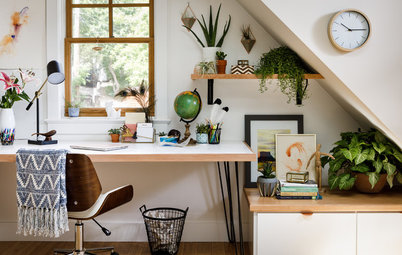
Plants are another important organic element – they breathe life into a space, and their shape can balance out a room that otherwise feels too boxy. While selecting potted plants, opt for those that don’t require much maintenance.
“Choose plants that require less sunlight, shed less, and that grow at a relatively slower rate – so you don’t have to keep trimming them or picking up dead leaves,” advises Darren Tan, an urban farmer with Comcrop.
Plants that do well indoors in our tropical climate include the snake plant (Sansevieria), the Zamioculcas zamifolia (otherwise known as the ZZ plant), and of course succulents. These are fairly easy to maintain, even for the novice gardener.
“Choose plants that require less sunlight, shed less, and that grow at a relatively slower rate – so you don’t have to keep trimming them or picking up dead leaves,” advises Darren Tan, an urban farmer with Comcrop.
Plants that do well indoors in our tropical climate include the snake plant (Sansevieria), the Zamioculcas zamifolia (otherwise known as the ZZ plant), and of course succulents. These are fairly easy to maintain, even for the novice gardener.
If you can afford the space, go for larger leafy plants like the Swiss cheese plant (Monstera deliciosa) – its unusual foliage instantly spruces up a room.
More ideas on decorating with the Swiss cheese plant
More ideas on decorating with the Swiss cheese plant
Herb pots in the kitchen window are both pretty and functional – you can easily snip some fresh basil or oregano to add to your cooking. If you’re short of windowsill space, a few hanging pots on a pot rail positioned over the window will work just as well.
Grow herbs in your kitchen
Grow herbs in your kitchen
Hygge factor: Use different textures and fabrics to soften a room’s look
Since hygge is also about feeling good, paying attention to the sense of touch is important. The Danes achieve this by adding cushions and throw rugs to just about every room – even over the backs of dining chairs.
How it works in the Singapore home:
Since our weather is warm and humid, fur rugs and thick wool blankets may be impractical. Instead, opt for breathable fabrics such as cotton or silk, which feel just as good. If you like the idea of a chunky knit throw, go for a wool-blend option that won’t feel as hot, and costs less as well.
Since hygge is also about feeling good, paying attention to the sense of touch is important. The Danes achieve this by adding cushions and throw rugs to just about every room – even over the backs of dining chairs.
How it works in the Singapore home:
Since our weather is warm and humid, fur rugs and thick wool blankets may be impractical. Instead, opt for breathable fabrics such as cotton or silk, which feel just as good. If you like the idea of a chunky knit throw, go for a wool-blend option that won’t feel as hot, and costs less as well.
Don’t shy away from patterned fabrics – they add a personal touch to the room, and can be used to change a room’s personality inexpensively. Opt for tones that complement the overall colour palette of the room, to maintain a harmonious look.
How to mix prints and patterns
How to mix prints and patterns
Throws can be used as bed runners, too, and thin ones double as a light blanket for a particularly balmy night, when the duvet is too warm.
Hygge factor: Embrace the casually rumpled look
One of the things you’ll notice about Scandinavian bedrooms is that the sheets are hardly ever pulled tight, and the blankets are never folded into orderly squares. The covers are always invitingly draped over the bed, and the sheets are often made of fabric that looks good even when rumpled. The key to getting this look? Linen.
How it works in the Singapore home:
The good news is, linen works well in the Singapore heat, since it wicks away moisture, keeping you cool and fresh. As an alternative, linen blends – such as a mix of cotton and linen – are less expensive, and also more resistant to wear and tear. Use it on your sheets, cushion covers, or even curtains to instantly soften a room’s atmosphere and make it more inviting.
One of the things you’ll notice about Scandinavian bedrooms is that the sheets are hardly ever pulled tight, and the blankets are never folded into orderly squares. The covers are always invitingly draped over the bed, and the sheets are often made of fabric that looks good even when rumpled. The key to getting this look? Linen.
How it works in the Singapore home:
The good news is, linen works well in the Singapore heat, since it wicks away moisture, keeping you cool and fresh. As an alternative, linen blends – such as a mix of cotton and linen – are less expensive, and also more resistant to wear and tear. Use it on your sheets, cushion covers, or even curtains to instantly soften a room’s atmosphere and make it more inviting.
Hygge factor: Achieve a minimalist look by making use of hidden storage
A large part of the tranquility that comes with Scandinavian design is the clean, uncluttered surfaces – after all, it’s hard to feel hyggelig (cosy) in a room that’s a mess of laundry and toys.
How it works in the Singapore home:
Space is usually a constraint for most of us. To prevent your home from looking messy, make full use of hidden storage possibilities: a bed frame with pull-out storage like this one, for instance, provides a space for sheets and towels.
A large part of the tranquility that comes with Scandinavian design is the clean, uncluttered surfaces – after all, it’s hard to feel hyggelig (cosy) in a room that’s a mess of laundry and toys.
How it works in the Singapore home:
Space is usually a constraint for most of us. To prevent your home from looking messy, make full use of hidden storage possibilities: a bed frame with pull-out storage like this one, for instance, provides a space for sheets and towels.
The additional advantage of pull-out storage means you don’t have to lift the seats or bed to get to what you need – perfect for frequently-used items like toys.
Some utilitarian items, like an ironing board, are essential but also an eyesore. Keep it out of sight with a flip-out cabinet that allows it to be put away when not in use.
Laundry racks can be hidden from sight, too. Shallow drawers like these are perfect for housing racks that can be pulled out at a moment’s notice to dry smaller items, and then put away again when they’re no longer needed.
Hygge factor: Use lamps strategically to create soothing pools of light
Lighting plays an undeniably essential role in the Danish lifestyle – look into any home or restaurant at dusk, and you’ll see how they use candles and dim lights to create a cosy, inviting atmosphere.
In fact, the art of lighting and the Danish psyche are inextricably linked: some of the world’s most well-known lighting architects, like Poul Henningsen and Verner Panton, hail from Denmark. Their creations emit soft, diffused light that lend the room a warm glow.
How it works in the Singapore home:
While overhead fluorescent tubes (which may have been the norm in many of our childhood homes) are practical and light up the room with a flick of the switch, their direct glare can be too harsh. Instead, opt for shaded pendant lamps with warm lighting, or table lamps that give an ambient glow.
Lighting plays an undeniably essential role in the Danish lifestyle – look into any home or restaurant at dusk, and you’ll see how they use candles and dim lights to create a cosy, inviting atmosphere.
In fact, the art of lighting and the Danish psyche are inextricably linked: some of the world’s most well-known lighting architects, like Poul Henningsen and Verner Panton, hail from Denmark. Their creations emit soft, diffused light that lend the room a warm glow.
How it works in the Singapore home:
While overhead fluorescent tubes (which may have been the norm in many of our childhood homes) are practical and light up the room with a flick of the switch, their direct glare can be too harsh. Instead, opt for shaded pendant lamps with warm lighting, or table lamps that give an ambient glow.
Here, the trio of copper pendant lamps light up the kitchen worktop and reflect off the polished wood of the cabinets, without subjecting the room to harsh glare.
The height of the lamps matters, too. Low-hanging ones like these lend an intimate atmosphere to the bedroom, and provide a focused light that can be switched on without disturbing your partner’s sleep. The length of the cord also draws the eye upwards, visually raising the ceiling.
Candles are another option, but if you’re worried about them being fire hazards, go for electric ones that give you the warm, soft glow without the flame. Position them in areas where you usually unwind – like the bedroom and bathroom – and you’re all ready for an evening’s hygge.
TELL US
What are your own tips for creating a feel-good atmosphere at home? Share with us in the comments.
MORE
Browse Scandinavian-style designs
TELL US
What are your own tips for creating a feel-good atmosphere at home? Share with us in the comments.
MORE
Browse Scandinavian-style designs
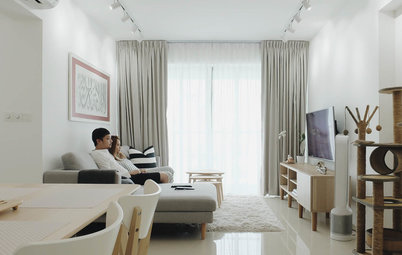

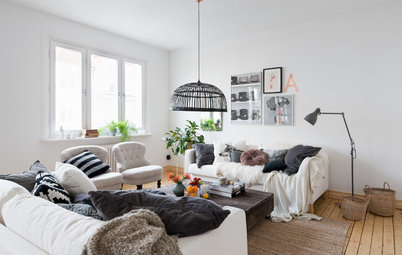



White plays a predominant role in most Scandinavian colour palettes, for its ability to visually expand a room and soothe the eye. It also acts as a good backdrop to allow pieces in the room to stand out, like this quirky lighting arrangement and vintage bicycle mounted on the wall.
How it works in the Singapore home:
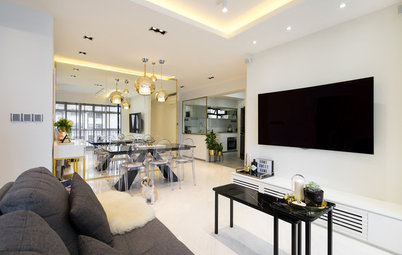
White, as well as other neutral tones, helps to make a flat appear larger and brighter. Use it on both the walls and ceiling, as well as the curtains, for a light, airy atmosphere.
Get the right white for your walls