






Clear the Air: A Guide to Indoor Air Purifiers
Get the lowdown on air filtration systems for your house

Laura Gaskill
27 September 2018
Houzz Contributor. I cover decorating ideas, Houzz tours & the monthly home maintenance checklist. My favorite pieces to write center around the emotional aspects of home and savoring life's simple pleasures. Decluttering course + discount for Houzzers: https://www.lauragaskill.com/welcome-houzzers
Houzz Contributor. I cover decorating ideas, Houzz tours & the monthly home maintenance... More
If you have allergies or asthma, or are sensitive to pollution, you may have considered purchasing an air purifier to clean the air inside your home, especially when agricultural fires in the region send the haze our way.
Check out this quick guide to home air purifiers to figure out which are right for your home.
Check out this quick guide to home air purifiers to figure out which are right for your home.
Why use an air purifier?
Indoor air pollution comes from a combination of particulate matter (dust, mould, pet dander and particles from smoke and cooking stoves) and gaseous pollutants (vehicle exhaust, smoke and chemical fumes) and can be far worse than the pollution outside, simply because it has no way to dissipate.
Those who suffer from asthma or allergies can be especially sensitive to air quality, and using an air purifier could be helpful, together with other methods of keeping out pollution and allergens.
Indoor air pollution comes from a combination of particulate matter (dust, mould, pet dander and particles from smoke and cooking stoves) and gaseous pollutants (vehicle exhaust, smoke and chemical fumes) and can be far worse than the pollution outside, simply because it has no way to dissipate.
Those who suffer from asthma or allergies can be especially sensitive to air quality, and using an air purifier could be helpful, together with other methods of keeping out pollution and allergens.
Purify your home, not just the air
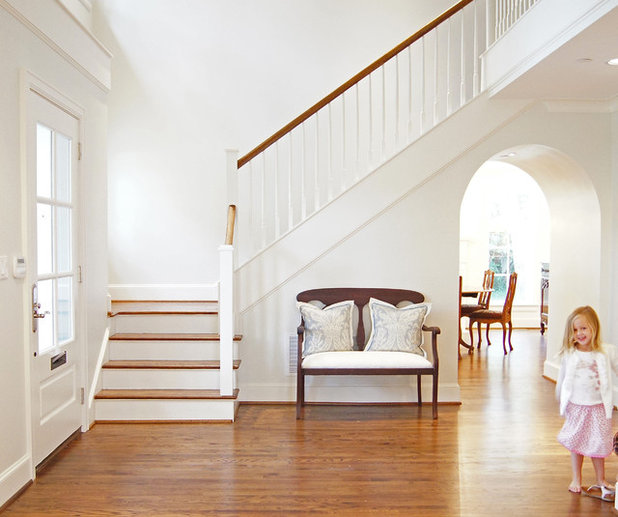
Air purifiers can do wonders for removing particulate matter from the air; the problem is that dust, pet dander and the like don’t stay in the air for long. Allergens drift to the ground and become embedded in rugs and soft furnishings – places an air purifier cannot reach. A combination approach will reduce indoor air pollution and allergens more than any one method alone. Here are a few strategies to try:
Air purifiers can do wonders for removing particulate matter from the air; the problem is that dust, pet dander and the like don’t stay in the air for long. Allergens drift to the ground and become embedded in rugs and soft furnishings – places an air purifier cannot reach. A combination approach will reduce indoor air pollution and allergens more than any one method alone. Here are a few strategies to try:
- Go for easy-to-clean hard flooring and washable area rugs
- Vacuum and dust with a microfibre cloth regularly
- Ban smoking in and around the house
- Do use a high-powered cooker hood and install ventilation fans in the bathrooms

What to do if you are affected by the haze
Depending on wind direction and other atmospheric conditions, smoke from wildfires can drift hundreds of kilometres from the source of the flames.
Here are a few things you can do:
How do I… clean my air conditioner filters?
Depending on wind direction and other atmospheric conditions, smoke from wildfires can drift hundreds of kilometres from the source of the flames.
Here are a few things you can do:
- Use your central air-conditioning system if you have one, but keep the fresh air intake closed to prevent smoke from getting inside
- Clean or replace the HVAC filter more frequently as long as you are experiencing smoky conditions
- Cut down on activities that contribute to indoor air pollution, including burning candles
- Avoid vacuuming, as this can stir up large particles that have settled
- If you do not have an in-duct air filtration system, it can be helpful to use a portable air purifier with a high-efficiency particulate air (HEPA) filter to remove some of the particulate matter from the air
How do I… clean my air conditioner filters?
How air purifiers work
There are a few different types of air purifiers on the market, and not all of them are especially effective or safe. It is important to know what you are buying, so read the fine print on your air purifier before purchasing. The main thing to check is how the purifier cleans the air. It will likely use one or more of these methods:
There are a few different types of air purifiers on the market, and not all of them are especially effective or safe. It is important to know what you are buying, so read the fine print on your air purifier before purchasing. The main thing to check is how the purifier cleans the air. It will likely use one or more of these methods:
- High-efficiency particulate air (HEPA) filter: This is the most common and one of the most effective methods available
- Activated carbon: Usually used with a HEPA filter or another filter, activated carbon can help reduce pollution by attracting some chemicals, which bond to the surface of the carbon
- Ultraviolet germicidal irradiation (UVGI) cleaners: These use a UV light to kill viruses, bacteria, allergens and some moulds. UVGI cleaners may not reduce allergy or asthma symptoms, because typical home cleaners have limited effectiveness.
- Electrostatic precipitators: Particles entering the purifier are given a charge and then trapped on oppositely charged plates. These machines create a small amount of ozone, which is a lung irritant and pollutant itself, so this type of purifier is probably best avoided.

When to choose a whole-house air cleaner: If you have a ventilation and air-conditioning system in your home, you have the option of having a whole-house air cleaner installed right in the ductwork. The benefits of a whole-house system are that all of the air is cleaned and there are no bulky appliances to deal with. In-duct systems are expensive, and they must be professionally installed and maintained.
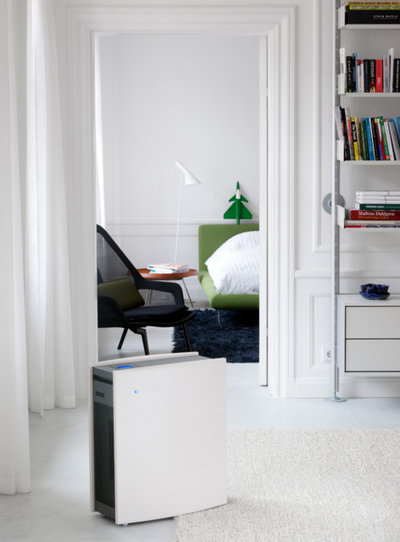
When to choose a portable room purifier: Room purifiers are a good choice for smaller spaces, and multiple units can be used to clean the air even in a larger home.
When to choose a portable room purifier: Room purifiers are a good choice for smaller spaces, and multiple units can be used to clean the air even in a larger home.
Get to know the rating systems
For in-duct air filters, look for the minimum efficiency reporting value (MERV) to tell how efficiently they pull particles from the air. MERV values range from 1 to 20; a system rated 7 or higher is about as effective as a HEPA filter. True HEPA filters, which have MERV values of 17 to 20, are not typically installed in HVAC systems.
For in-duct air filters, look for the minimum efficiency reporting value (MERV) to tell how efficiently they pull particles from the air. MERV values range from 1 to 20; a system rated 7 or higher is about as effective as a HEPA filter. True HEPA filters, which have MERV values of 17 to 20, are not typically installed in HVAC systems.
When shopping for a portable air purifier, look for a clean air delivery rate (CADR) of at least 250, but the higher the better. This is a voluntary system developed by the Association of Home Appliance Manufacturers (AHAM), so not all appliances have a CADR.
An Energy Star label on any air purifier indicates better energy efficiency but does not necessarily mean it is more effective — so also be sure to check the MERV or CADR rating.
Want to be really sure your air purifier is doing its job? Look for the AHAM Verifide mark on your portable air cleaner, which indicates that the manufacturer’s claims have been independently tested and certified.
The National Environment Agency’s list of portable air cleaners with their CADR number can be found here.
TELL US
Do you use an air purifier at home – for allergies, asthma, wildfire smoke or another reason? If so, have you noticed a difference? Share what works for you in the Comments.
An Energy Star label on any air purifier indicates better energy efficiency but does not necessarily mean it is more effective — so also be sure to check the MERV or CADR rating.
Want to be really sure your air purifier is doing its job? Look for the AHAM Verifide mark on your portable air cleaner, which indicates that the manufacturer’s claims have been independently tested and certified.
The National Environment Agency’s list of portable air cleaners with their CADR number can be found here.
TELL US
Do you use an air purifier at home – for allergies, asthma, wildfire smoke or another reason? If so, have you noticed a difference? Share what works for you in the Comments.

What are you working on?
Related Stories
Lifestyle
Cleaning Routines to Keep Your Home Virus-Free
Follow this CDC advice to make sure your kitchen, bathroom and other high-traffic areas are clean and disinfected
Full Story
Safety & Maintenance
Why Check Your Home's Humidity
Indoor air moisture can affect your health – and your furnishings. Here's why and how to find the balance for your home
Full Story
Lifestyle
4 Small Ways to Look After Your Health at Home
By Patricia Lee
Arrange your environment to encourage good habits, such as getting enough sleep, exercising and eating right
Full Story
Lifestyle
7 Creative Ways to Connect Your Home With Nature
Benefit from the calming, restorative properties of the outdoors by bringing natural elements into your home
Full Story
Lifestyle
10 Sleep-Easy Strategies for the New Year
By Bryna Howes
If you resolved to get more sleep, you're in luck. These ideas will help give you the extra snooze you once only dreamed of
Full Story
Lifestyle
New Year, New You: Exercising at Home Made Easy
By Kate Shaw
Exercising at home is a hot trend, and you don't need a lot of equipment to be successful
Full Story
Lifestyle
Home, Sweet Home: Set up Your Home for Diabetes Management
By Anita Yee
Make some simple changes around your home to make living with diabetes easier
Full Story

Lifestyle
What is ... Biophilic Design?
A connection to nature is essential for our well-being: So goes a philosophy that's got architects and designers talking
Full Story

Lifestyle
Elderly-Friendly Spaces for Loved Ones who Live on Their Own
By Anita Yee
Here's how you can help your ageing loved ones future-proof their home without breaking a sweat
Full Story
Lifestyle
How to Plan For an Elder-Friendly Home
By Anita Yee
Future-proof your home for your ageing family members... without breaking the bank
Full Story
Yikes.
Same thing we dealt with last summer (Saskatchewan was burning and in Winnipeg it was awful) and this summer (poplar river, wasagamach, garden hill, Ste Therese point this summer).
We deal with forest fires a lot in Canada, in Winnipeg, depending on the winds we get them too.
We didn't get bc or northern Alberta blow our way this summer.
Nobody has ever been an In house smoker since I got my first place, after growing up with two indoor smokers. Many of the smokers in my extended family just assume that all smoking is outdoors always now.
I'm Canadian so inside shoes has never been a thing.
Plants we keep trying.
When the forest fires are blowing into the city we turn on the AC and use our air recirc device.
Sigh, Cali and folks close by, my lungs feel for you.
Any thoughts or advice on plasma air purification which attaches to my heat/air unit? Our HVAC company is recommending we buy one from them.