



Readers Ask: How to Care for the Indian Rubber Plant
The rubber plant is a great pick for beginners and for several good reasons

Karla Rey
23 March 2017
Houzz Contributor. Landscape architect in another life. I have a fervent affair with travel, books, photography, films, design, and architecture. I think having great company to share stories with over good food are essentials to a happy life.
Author and co-editor of 'Makisawsaw: Recipes x Ideas' book, published by Gantala Press.
Houzz Contributor. Landscape architect in another life. I have a fervent affair with... More
Also called rubber fig, rubber bush, rubber tree, rubber plant, or Indian rubber bush, this species of tropical plant in the fig genus is native to northeast India and south of Indonesia. In warm and moist parts of Australia and the United States, this can be grown in the ground up to a size of over 30 metres (98 feet). But be warned: this is not for an average-sized apartment or shophouse backyard as the roots can become invasive and can break pipes and driveways. In a pot, however, the Indian rubber plant is one of the most demure and popular ornamental plants for the indoors.
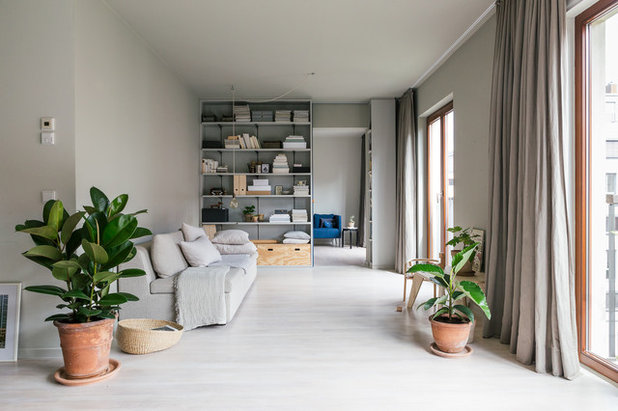
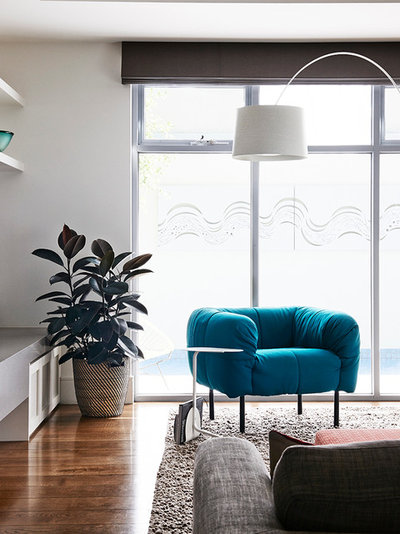
Good to know: The real latin name of this plant is Ficus elastica, however the traditional versions have been replaced with modern cultivars hence the plant may be labeled Ficus robusta or F. elatsica robusta (which is more hardy and robust) or the F. elastica decora (which has shiny leather-like leaves which grow to 30 centimetres long).
Tip: When purchasing, choose a plant whose location in the nursery closely resembles the conditions in your home. It is also wise to choose a young rubber tree houseplant so it can adapt to being indoors rather than a more mature plant.
Tip: When purchasing, choose a plant whose location in the nursery closely resembles the conditions in your home. It is also wise to choose a young rubber tree houseplant so it can adapt to being indoors rather than a more mature plant.

Why should you consider it?
It is fabulously attractive
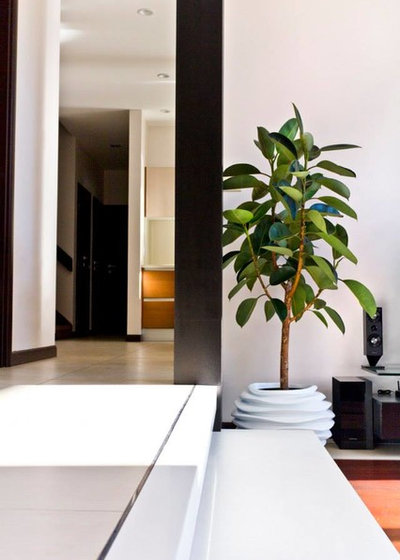
The rubber plant is one of your best bets if you are just starting to include real plants in your home. Available from 30 centimetres tall and reaching over 2.4 metres tall in a pot, it is one of those plants that you can move around your living space as a centrepiece on a table or to anchor the room, next to a tall shelf or the television as it grows.
No sticks required
As it is not an epiphyte, the stem of Ficus elastica is sufficiently strong and does not require staking. A single trunk topped by broad, shiny attractive leaves will surely make an impact.
Tip: Gently clean leaves with tepid water using a soft cloth or sponge to enjoy the glossy clean, dust-free look.
It is fabulously attractive
The rubber plant is one of your best bets if you are just starting to include real plants in your home. Available from 30 centimetres tall and reaching over 2.4 metres tall in a pot, it is one of those plants that you can move around your living space as a centrepiece on a table or to anchor the room, next to a tall shelf or the television as it grows.
No sticks required
As it is not an epiphyte, the stem of Ficus elastica is sufficiently strong and does not require staking. A single trunk topped by broad, shiny attractive leaves will surely make an impact.
Tip: Gently clean leaves with tepid water using a soft cloth or sponge to enjoy the glossy clean, dust-free look.
An excellent air purifier
It is documented to be effective at removing formaldehyde – a Volatile Organic Compound (VOC) commonly found in resins and adhesives – from the air of our homes and offices. It is reported that the rubber plant’s ability to absorb toxins increases with exposure because the microbes living with the plant break down the toxins, feed on them and multiply.
Important note: The sap from rubber plant can be toxic to pets as well as young children. It can irritate the skin and may cause nausea and vomiting if ingested. Pet lovers, consider instead one of these non-toxic plants.
It is documented to be effective at removing formaldehyde – a Volatile Organic Compound (VOC) commonly found in resins and adhesives – from the air of our homes and offices. It is reported that the rubber plant’s ability to absorb toxins increases with exposure because the microbes living with the plant break down the toxins, feed on them and multiply.
Important note: The sap from rubber plant can be toxic to pets as well as young children. It can irritate the skin and may cause nausea and vomiting if ingested. Pet lovers, consider instead one of these non-toxic plants.
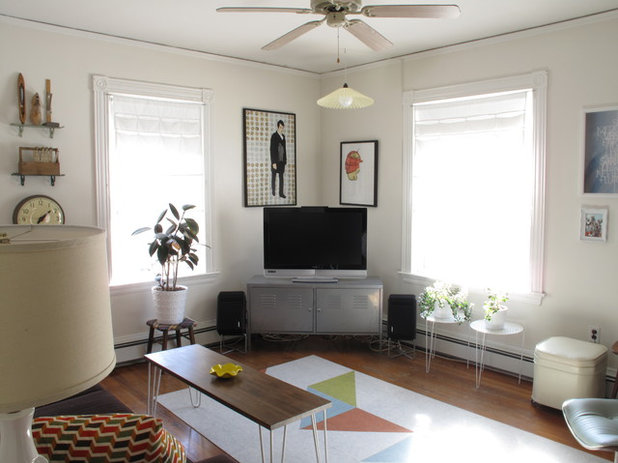
How much maintenance is involved?
Requires just enough light
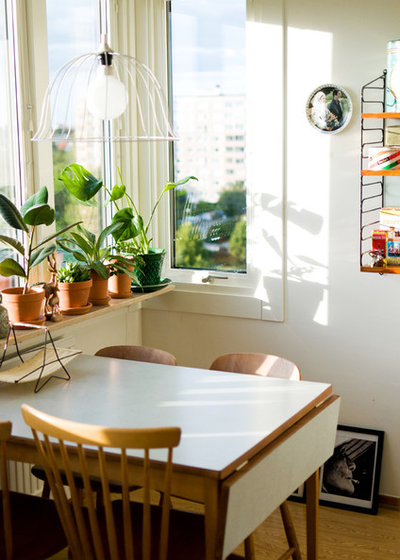
Highly suitable for growing in pots indoors, it can get by with less light for short periods of time more than many indoor plants. However, to keep it healthy, it should receive enough light.
Tip: Hold a piece of white paper upright where your potted rubber plant is and place your hand 20 centimetres in front of the paper between the paper and the window. You should see your hand’s shadow. If you don’t, this spot does not receive enough light for the plant.
Requires just enough light
Highly suitable for growing in pots indoors, it can get by with less light for short periods of time more than many indoor plants. However, to keep it healthy, it should receive enough light.
Tip: Hold a piece of white paper upright where your potted rubber plant is and place your hand 20 centimetres in front of the paper between the paper and the window. You should see your hand’s shadow. If you don’t, this spot does not receive enough light for the plant.
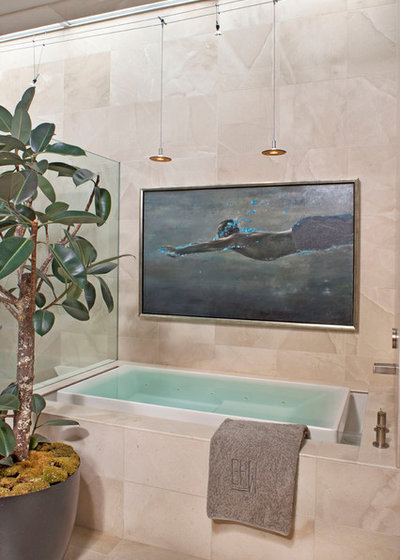
Water right
Over-watering this plant is one of the worst things to do. To avoid this, begin with having the right soil – a well-draining and well-aerated potting soil – and the right pot with sufficient drainage holes to allow excess water to seep out the bottom. Water once the soil becomes slightly dry to the touch. Do not let the pot sit in a drip tray with water. It is best to drain the drip tray.
Over-watering this plant is one of the worst things to do. To avoid this, begin with having the right soil – a well-draining and well-aerated potting soil – and the right pot with sufficient drainage holes to allow excess water to seep out the bottom. Water once the soil becomes slightly dry to the touch. Do not let the pot sit in a drip tray with water. It is best to drain the drip tray.
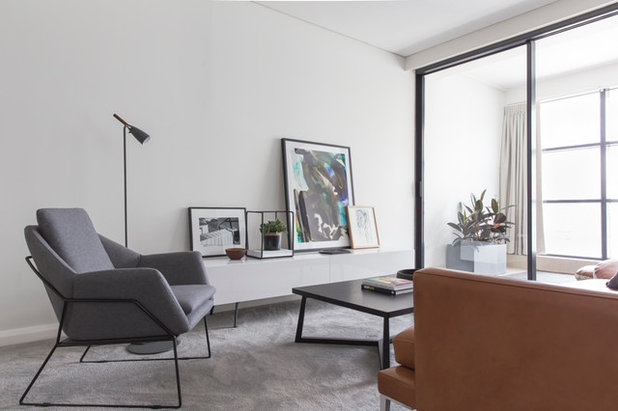
Pruning and re-potting
Prune back any unwanted branches to give the plant a fuller shape. Once the rubber plant has grown to the height you want it to be, you can cut the top off. When the plant is young, re-pot it once a year but once matured, once every three years.
Tip: Those with severe latex allergies and sensitive skin should wear protective, non-latex gloves, when handling this plant.
Prune back any unwanted branches to give the plant a fuller shape. Once the rubber plant has grown to the height you want it to be, you can cut the top off. When the plant is young, re-pot it once a year but once matured, once every three years.
Tip: Those with severe latex allergies and sensitive skin should wear protective, non-latex gloves, when handling this plant.
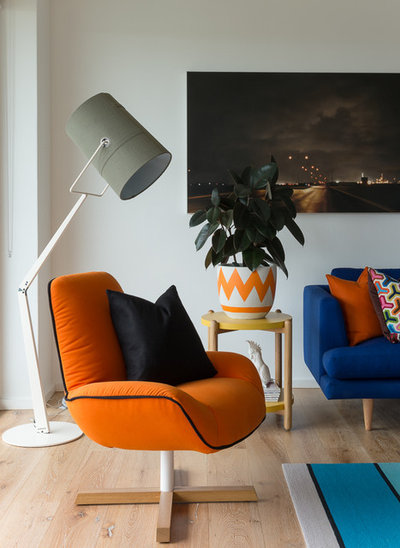
Minimal fertilising
This plant does not have high nutrient needs but can still benefit from a light, monthly feed of weak liquid fertiliser.
TELL US
What other house plants would you like to read about? Let us know in the Comments section.
MORE
Find a landscape professional near you
Browse garden ideas
See more urban planting stories here
This plant does not have high nutrient needs but can still benefit from a light, monthly feed of weak liquid fertiliser.
TELL US
What other house plants would you like to read about? Let us know in the Comments section.
MORE
Find a landscape professional near you
Browse garden ideas
See more urban planting stories here


Related Stories
Gardens & Landscaping
Hello, Potters: Container Plants for the Tropics
By Karla Rey
In this two-part series we present plants that you can grow in pots to provide screening and even cleaner air
Full Story
Most Popular
What Plants to Choose for Your Balcony Garden
Find out what you need to consider when choosing plants for your balcony, as well as a few leafy suggestions
Full Story
Gardens & Landscaping
10 Positively Great Display Ideas for Your Houseplants
Check out these ways to make a bigger impact with your indoor potted displays
Full Story
Urban Planting
Savoury Six: Herbs to Jump-Start Your Edible Garden
By Karla Rey
Begin with these evergreen herbs that are surprisingly low-maintenance
Full Story
Gardens & Landscaping
7 Plants for Prosperity
By Karla Rey
These low-maintenance greens are said to attract that other kind of green (good luck and prosperity)
Full Story
Bathroom Ideas
9 Potted Plants to Refresh Your Bathroom
By Karla Rey
Looking for ways to refresh your bathroom? Here are pretty and practical plants to do just that
Full Story
Lifestyle
Baker's Delights: Plant Ideas for Bakers and Cooks
By Karla Rey
Our resident landscape expert and vegetarian cookbook author lists easy, kitchen-friendly herbs and edible flowers
Full Story
Gardens & Landscaping
5 Ways to Tell How Much Water Your Indoor Plants Really Need
Not too much, not too little – learn the right amount of water to give your indoor plants
Full Story
Gardens & Landscaping
An Architect Reveals: 5 Reasons You Need a Green Wall
By John Lea
Short on space but want to bring a touch of nature into your home? A vertical garden could be the solution
Full Story

Gardens & Landscaping
Readers Ask: How to Care for the Fiddle Leaf Fig?
By Karla Rey
You just got yourself a fiddle leaf fig. Now, how do you help it thrive?
Full Story
Snake plant :)