

6 Common Kitchen Sink Blockages (and How to Fix Them)
Most sink blockages are caused by pouring the wrong things down the drain. Avoid the backup by following these tips

If your sink slowly drains water away when the tap is turned on, or it takes seemingly forever for the sink to empty when the plug is pulled, you most likely have a blockage. The kitchen is the hub of the home, so a sink that drains efficiently is important and can prevent a foul backup of sink water.
As a plumber, I’ve seen it all in both commercial and residential kitchens. But complacency can be the cause of many sink blockages – so if you want to prevent blockages in your kitchen, here are some tips to follow.
As a plumber, I’ve seen it all in both commercial and residential kitchens. But complacency can be the cause of many sink blockages – so if you want to prevent blockages in your kitchen, here are some tips to follow.

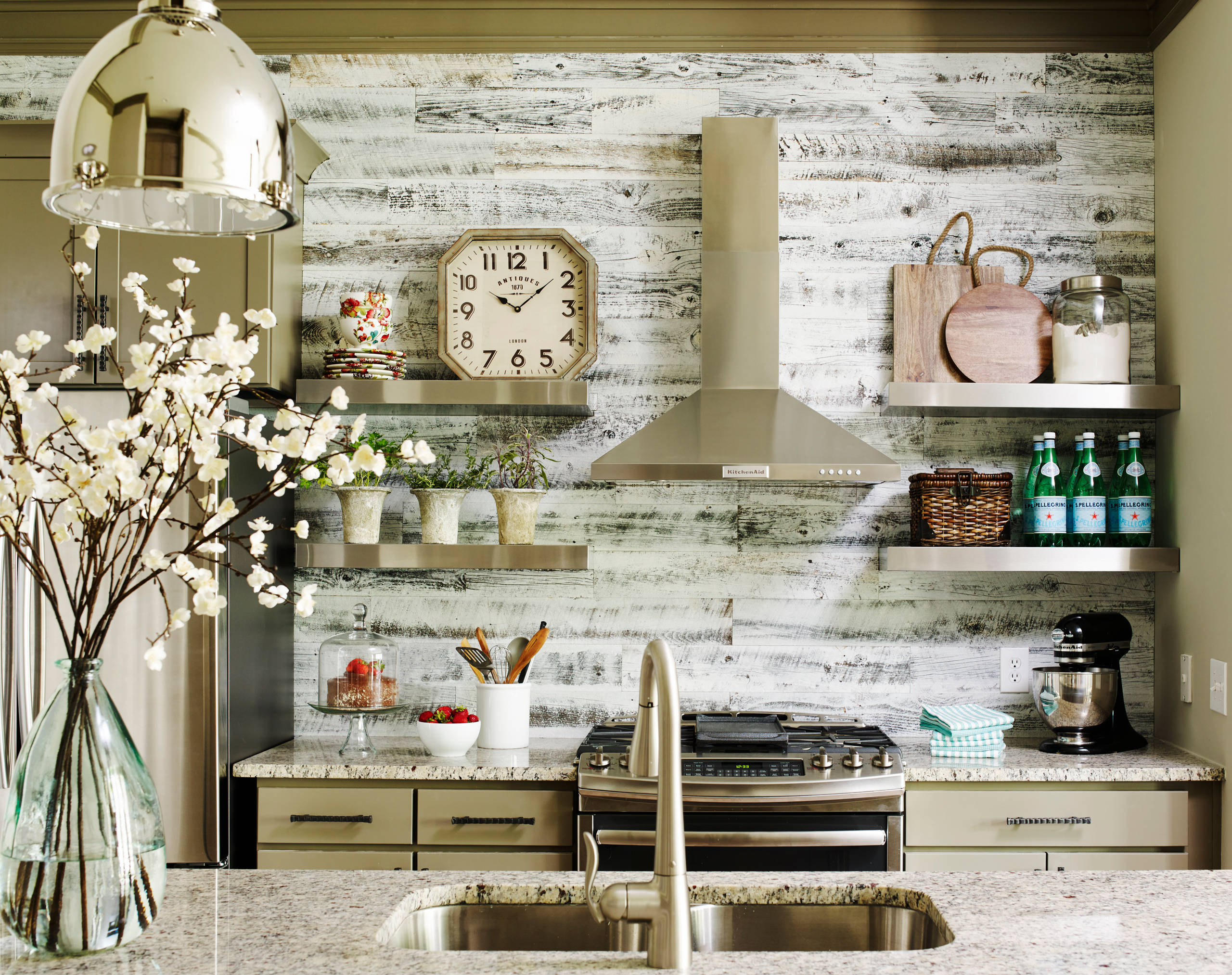
2. Don’t pour fats down the drain
When you cook a roast, and have excess oil, fat or old gravy that won’t keep in the fridge, do noxatpour this down the sink. The fat will congeal when cool and solidify in the waste pipes.
Any fat on plates should be washed down with water and dishwashing detergent to break up the grease and prevent the fatty water from sitting in the trap bend under the kitchen sink.
Tip: If you do have a sink that is blocked with fat, shake bi-carb soda down the sink waste and add vinegar. Let it sit in the sink waste trap for half an hour and then flush down with water. If this doesn’t fix the problem, use a plunger. In worst-case scenarios, call a plumber.
3. Prevention is better than cure – utilise the drain design of your plugs
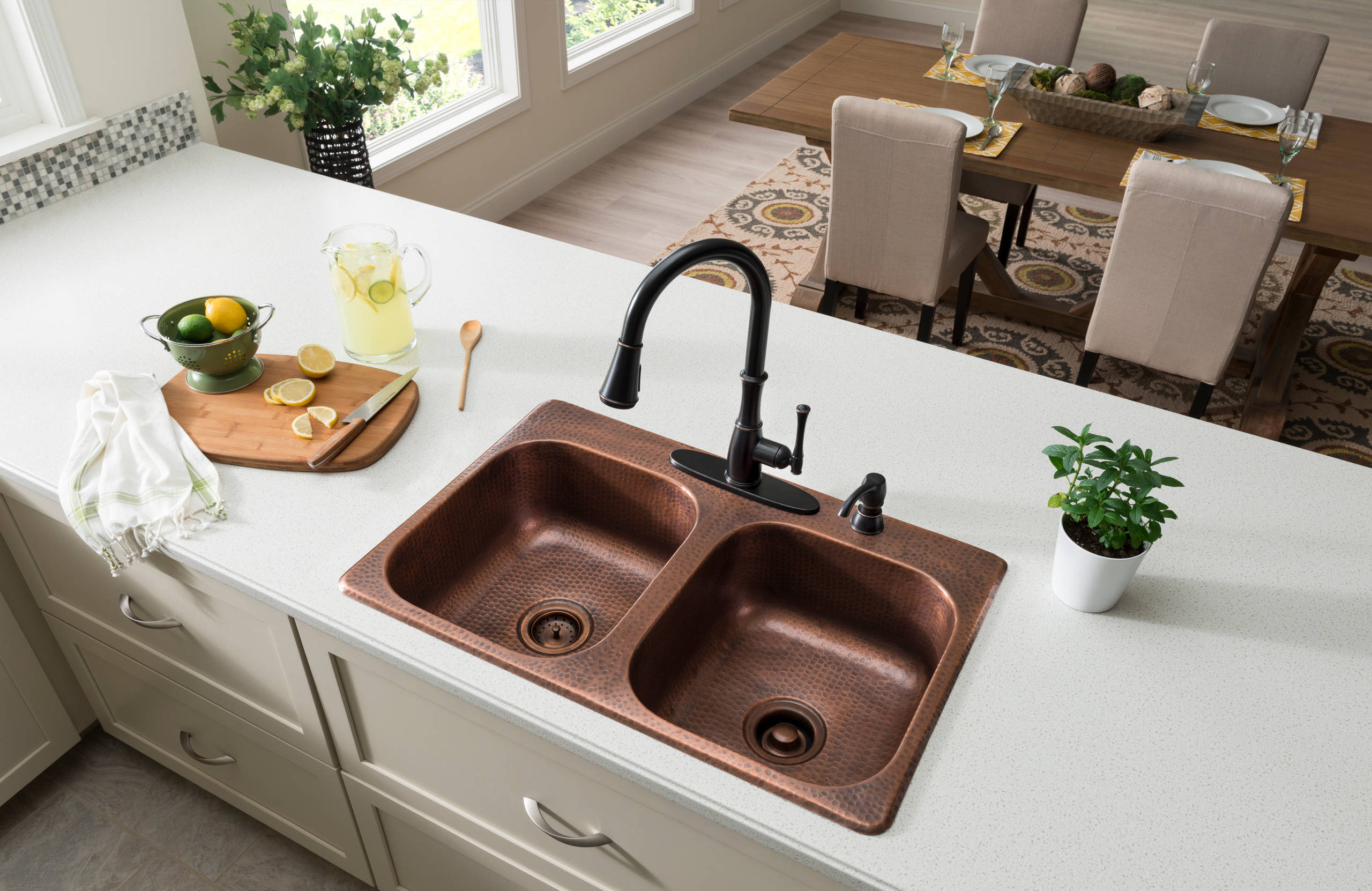
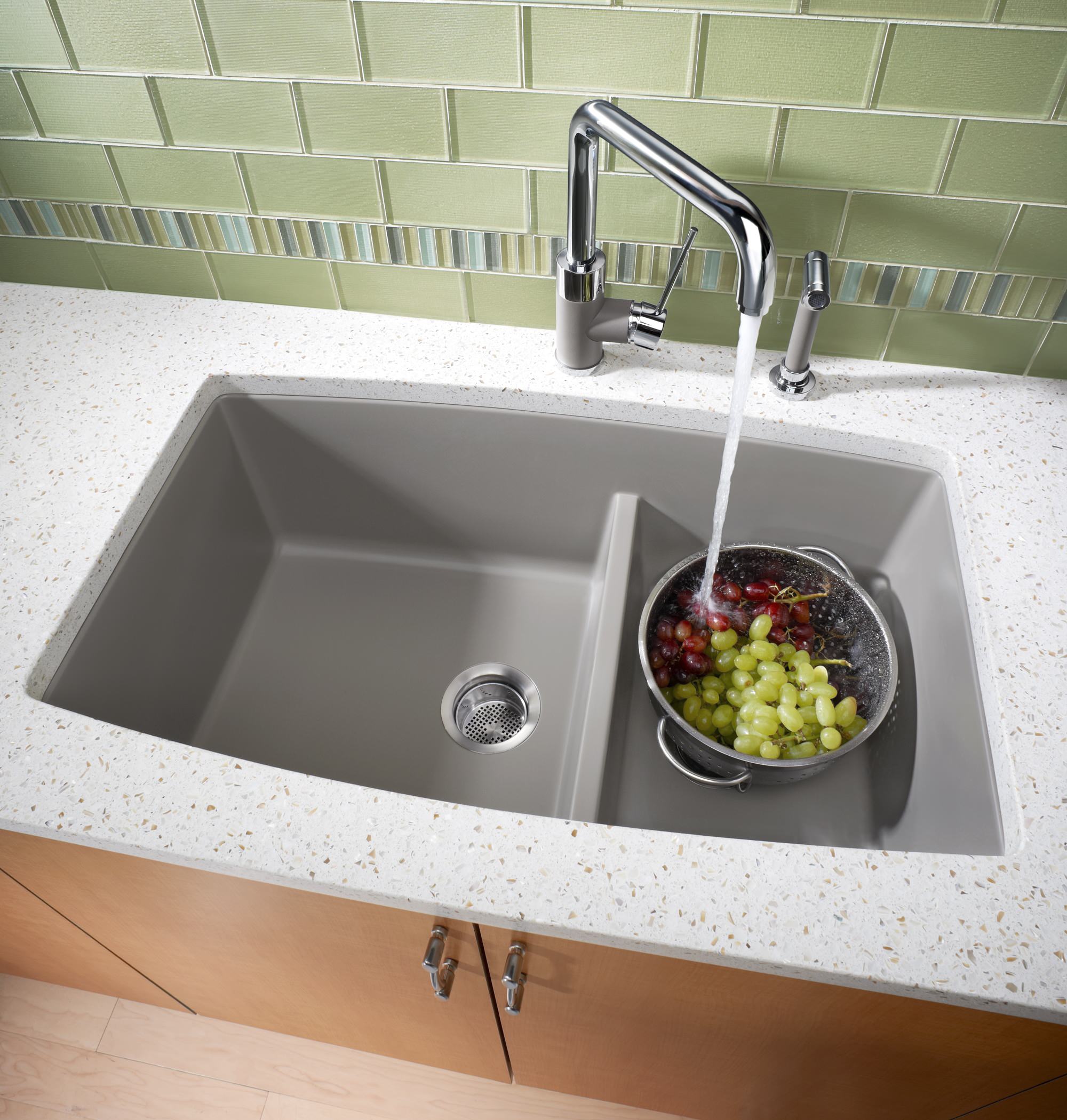
One of the best ways to protect your sink drainage is to use the drainer plugs in your sink. For more modern sinks, such as this copper-toned sink with matching drainer plug above, the plugs can catch any food particles that might not be scraped into the bin. Once you’ve rinsed the plates, remove the plugs and dispose of the food remnants in the rubbish.
One of the best ways to protect your sink drainage is to use the drainer plugs in your sink. For more modern sinks, such as this copper-toned sink with matching drainer plug above, the plugs can catch any food particles that might not be scraped into the bin. Once you’ve rinsed the plates, remove the plugs and dispose of the food remnants in the rubbish.

4. Prevent dishwasher blockages
Another type of blockage that occurs in kitchens is a blocked dishwasher hose. This can be caused by a blocked sink waste (because the dishwasher waste water has nowhere to go), or because food and fats have accumulated in the drain hose.
To prevent a build-up in the dishwasher hose, give your dishwasher a clean every month. You can use a commercial cleaner, or try a natural alternative by placing bi-carb soda in the tablet slot with a few drops of essential oil (eucalyptus works well), and then filling the rinse aid section with white vinegar. Turn the dishwasher on to the longest and hottest setting when empty.
Tip: Cleaning your dishwasher each month will help it run more efficiently and prevent a build-up in the drain hose that could cause a potential blockage.
5. When the blockage is further down the line
Sometimes a sink will drain slowly, not because there is an immediate blockage but because the main sewer is blocked, causing the fixtures inside to be blocked too.
Check how the water drains through your bathroom basin, shower and bath. If you notice the water takes a long time to drain from these fixtures too, the blockage isn’t in the kitchen it’s on the main sewer line.
A plumber will need to be called to identify the location of the blockage and use a jet rodder to blast the blockage away.
The main way to avoid blockages in the kitchen is to be mindful of what you’re putting down the sink waste, and to check the state of plates and utensils being placed in the dishwasher.
Most blockages can be avoided, but if you do find a blockage, give your plumber a call, as they are experienced in ensuring your fixtures, especially your kitchen sink, drain away normally.
TELL US
Did you find this useful? Tell us about your own experiences in the Comments section below. And don’t forget to like or share this story and save your favourite photos. Join the conversation.
MORE
Every Homeowner Should Have These 20 Tools

Sponsored
One of the biggest reasons for blockages to the kitchen sink is rinsing food down the sink and forcing food particles down the grated waste. Just because it fits, doesn’t mean it belongs in your drainage system.
Foods that are tiny, but expand or congeal in water include:
- cereals
- rice
- pasta
- diced vegetables (onion and corn), and
- coffee granules and tea.
These food items are commonly found rinsed down the sink waste and unfortunately they are the main culprits when it comes to sink blockages.How to kick out (and keep out) stinky home odours