

Feng Shui Basics: Put Your Plants in the Right Place
Having plants in the right location is part of an overall strategy of having good chi

In this two-part series, we get to know the logic behind feng shui from a designer’s perspective
Design professor and principal designer of Bespoke Design Studio, Kristine Munoz recommends incorporating plants in your space to counter the hard lines of the architecture. “Plants can lessen the impact of certain negative elements such as harsh angles or anything unpleasant. As such, plants whether placed inside or in the garden can be seen as a ready cure for negative or stagnant energy. It is important to note however, that plants with rounded forms or leaves are more preferable to sharp or spiky ones. This is because the shape mimics the general movement of chi, which is sinuous and curved as well. Sharp angles or spikes are considered as harbingers of bad luck.”
In using plants for feng shui, some plants are considered highly favourable or auspicious especially when placed in strategic locations in and around your space. Below are some of Munoz’s recommendations:
Design professor and principal designer of Bespoke Design Studio, Kristine Munoz recommends incorporating plants in your space to counter the hard lines of the architecture. “Plants can lessen the impact of certain negative elements such as harsh angles or anything unpleasant. As such, plants whether placed inside or in the garden can be seen as a ready cure for negative or stagnant energy. It is important to note however, that plants with rounded forms or leaves are more preferable to sharp or spiky ones. This is because the shape mimics the general movement of chi, which is sinuous and curved as well. Sharp angles or spikes are considered as harbingers of bad luck.”
In using plants for feng shui, some plants are considered highly favourable or auspicious especially when placed in strategic locations in and around your space. Below are some of Munoz’s recommendations:
Living rooms
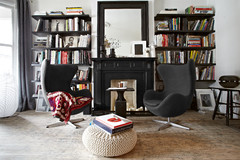
Just like the entrance, the living room would be an area where large amounts of chi may be generated. Place a money tree or silver crown here, or if you prefer flowers, a vase or pot of chrysanthemums may do the trick as they represent optimism and goodwill.
Get Lucky With the Money Plant
Just like the entrance, the living room would be an area where large amounts of chi may be generated. Place a money tree or silver crown here, or if you prefer flowers, a vase or pot of chrysanthemums may do the trick as they represent optimism and goodwill.
Get Lucky With the Money Plant
Bedrooms
As plants represent vibrant energy, most plants may be disruptive to sleep. But orchids may be an exception as they seem to promote better sleep, and also help in the love and relationship department.
Basic Care for Healthy Orchids
As plants represent vibrant energy, most plants may be disruptive to sleep. But orchids may be an exception as they seem to promote better sleep, and also help in the love and relationship department.
Basic Care for Healthy Orchids
Kitchen
The Chinese often burn herbs to purify the space after a conflict or argument, and so herbs may be seen as a purifying agent. An added benefit is that having herbs in your kitchen can be quite handy while cooking.
Simple Kitchen Herb Gardening, Indoors!
The Chinese often burn herbs to purify the space after a conflict or argument, and so herbs may be seen as a purifying agent. An added benefit is that having herbs in your kitchen can be quite handy while cooking.
Simple Kitchen Herb Gardening, Indoors!
Windows
While it is generally a no-no to use thorny plants as they block the healthy flow of chi, they are considered protective barriers and therefore may be used at windows. Consider a pot of aloe vera.
While it is generally a no-no to use thorny plants as they block the healthy flow of chi, they are considered protective barriers and therefore may be used at windows. Consider a pot of aloe vera.
Dead spots
These are spaces such as those above kitchen cabinets or near the ceiling, or corners of rooms. Dead spots can stop the flow of chi, but this can be remedied by placing plants to enliven these areas.
TELL US
Do you subscribe to feng shui in your home? Chime in with your thoughts in the Comments below.
MORE
Understand the Basics of Feng Shui and Put it Into Practice
These are spaces such as those above kitchen cabinets or near the ceiling, or corners of rooms. Dead spots can stop the flow of chi, but this can be remedied by placing plants to enliven these areas.
TELL US
Do you subscribe to feng shui in your home? Chime in with your thoughts in the Comments below.
MORE
Understand the Basics of Feng Shui and Put it Into Practice
As these are the starting points in every home, it is important to generate as much chi in this area as possible, particularly if you want to attract more money. Plants such as the jade plant can be used to attract wealth or business.
Plants for prosperity