




How to Choose Lighting for Optimal Well-being
Follow this guide to the colour temperature of LED lighting, to enhance your productivity, sleep cycles and even moods

Choosing lighting for your home should not only be based on function and ambience, but also how it can contribute to your health and well-being. A bulb’s colour temperature – how warm/yellow or cool/white the light is – obviously affects how things look in a room and how well we can see things, but it also affects our circadian rhythm, or natural body clock, which can in turn impact on our moods, productivity and sleep cycles.
Photobiology is the study of the interactions of light and living organisms, and a growing body of research in photobiology is demonstrating how lighting can actually enhance human health and function by mimicking natural daytime or night-time conditions. Here’s what you need to know about choosing the right colour temperature of lighting for your home, to enhance your health and well-being.
Photobiology is the study of the interactions of light and living organisms, and a growing body of research in photobiology is demonstrating how lighting can actually enhance human health and function by mimicking natural daytime or night-time conditions. Here’s what you need to know about choosing the right colour temperature of lighting for your home, to enhance your health and well-being.
However, our circadian rhythm can be easily disrupted, and light is one of the primary factors that will do so. Too much light at night and our sleep suffers; not enough light during the day and productivity decreases.
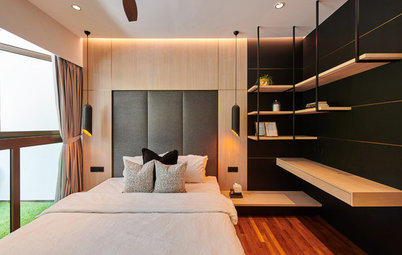
8 ways to be health-conscious in your bedroom
8 ways to be health-conscious in your bedroom
Circadian lighting
To optimise our circadian system, and ultimately our health and well-being, electric light needs to imitate daylight. Even as the colour and intensity of sunlight changes, electric light needs to reproduce these changing colours – from warm amber light at sunrise, to cool bright light during day, and back to amber light at sunset.
How do I choose light bulbs?
To optimise our circadian system, and ultimately our health and well-being, electric light needs to imitate daylight. Even as the colour and intensity of sunlight changes, electric light needs to reproduce these changing colours – from warm amber light at sunrise, to cool bright light during day, and back to amber light at sunset.
How do I choose light bulbs?
Correlated colour temperature
Correlated colour temperature (CCT) refers to the colour of the light source (bulb) and is measured in Kelvins. This is marked on the light bulb packaging with a ‘K.’
Kelvins range from 1000K to 10,000K, with residential lighting typically falling between 2700K and 6500K. The lower the colour temperature, the yellower/warmer the light; the higher the colour temperature, the bluer/cooler the light.
Correlated colour temperature (CCT) refers to the colour of the light source (bulb) and is measured in Kelvins. This is marked on the light bulb packaging with a ‘K.’
Kelvins range from 1000K to 10,000K, with residential lighting typically falling between 2700K and 6500K. The lower the colour temperature, the yellower/warmer the light; the higher the colour temperature, the bluer/cooler the light.
Warm white light
At the lower end of the Kelvin scale, warm white light ranges from 2700K to 3500K. This produces a warm, yellow light that is closest to an early sunrise or late sunset.
At the lower end of the Kelvin scale, warm white light ranges from 2700K to 3500K. This produces a warm, yellow light that is closest to an early sunrise or late sunset.
Warm white light is cosy, calm, inviting and intimate. It is a good choice for spaces you occupy in the evening, such as bedrooms, living rooms and dining rooms, because it helps you to relax and unwind, getting ready for sleep.
Natural white light and cool white light
Natural and cool white light range from 3500K to 5000K, making them most akin to early morning and late afternoon sunlight. This range produces a neutral, balanced and efficient light and is a good choice in most any room used throughout the day, as it is brighter and more vibrant than warm white light.
Natural and cool white light range from 3500K to 5000K, making them most akin to early morning and late afternoon sunlight. This range produces a neutral, balanced and efficient light and is a good choice in most any room used throughout the day, as it is brighter and more vibrant than warm white light.
Natural white light is less harsh than cool white light and can be used in functional spaces such as the bathroom or pantry, or for task lighting in a home office, reading area or above a kitchen countertop.
Task lighting in the bathroom mirror is important for seeing what you’re doing without harsh, unflattering light. A pair of wall sconces mounted at eye level on either side of the mirror will help provide shadow-free illumination.
Task lighting in the bathroom mirror is important for seeing what you’re doing without harsh, unflattering light. A pair of wall sconces mounted at eye level on either side of the mirror will help provide shadow-free illumination.
Cool white light veers towards the higher end of the spectrum and is similarly suitable for task lighting, and in home offices or utility spaces such as the laundry or garage. It’s typically not suitable for everyday living spaces as the light is more similar to that emitted by fluorescent tubes.
Daylight white light
At 5000+ Kelvins, daylight white light is most equivalent to noon sunlight. It is crisp and invigorating and is appropriate for any location in which you want to stimulate alertness, such as a workplace, as its helps foster productivity. It is less likely used inside the home, but rather outside or for security lighting.
At 5000+ Kelvins, daylight white light is most equivalent to noon sunlight. It is crisp and invigorating and is appropriate for any location in which you want to stimulate alertness, such as a workplace, as its helps foster productivity. It is less likely used inside the home, but rather outside or for security lighting.
Blue light
The higher the Kelvins, the more blue light that daylight white light emits. Cells in our eyes sense blue light and signal the brain to turn off melatonin production. This is great during the day when we’re active and productive, but detrimental in the evening when melatonin is necessary for sleep.
We are typically exposed to blue light through screens – televisions, computers, tablets, phones, video games – rather than high-Kelvin light bulbs; and we are increasingly exposed to blue light in the evening or night because of our screen-watching habits. This confuses our natural body clock and signals a reduction in melatonin, ultimately affecting sleep quality. You therefore want to avoid, as much as possible, looking at screens late at night when your body is preparing for bed.
The higher the Kelvins, the more blue light that daylight white light emits. Cells in our eyes sense blue light and signal the brain to turn off melatonin production. This is great during the day when we’re active and productive, but detrimental in the evening when melatonin is necessary for sleep.
We are typically exposed to blue light through screens – televisions, computers, tablets, phones, video games – rather than high-Kelvin light bulbs; and we are increasingly exposed to blue light in the evening or night because of our screen-watching habits. This confuses our natural body clock and signals a reduction in melatonin, ultimately affecting sleep quality. You therefore want to avoid, as much as possible, looking at screens late at night when your body is preparing for bed.
Colour temperature tunable LEDs
Colour temperature tuneable LEDs allow users to change the colour and intensity of their lights, depending on their needs or time or day. This means that the colour temperature of light can be ‘tuned’ for different times of the day or night depending on the environment.
For example, Philips Hue White ambiance is a lighting system for the home, which allows you to control the lights from warm white light (2200K) through to cool daylight (6500K), with pre-defined light settings of Relax, Read, Concentrate, and Energise.
Colour temperature tuneable LEDs allow users to change the colour and intensity of their lights, depending on their needs or time or day. This means that the colour temperature of light can be ‘tuned’ for different times of the day or night depending on the environment.
For example, Philips Hue White ambiance is a lighting system for the home, which allows you to control the lights from warm white light (2200K) through to cool daylight (6500K), with pre-defined light settings of Relax, Read, Concentrate, and Energise.
At the end of the day
Ultimately natural light is the best kind of light to keep our circadian rhythms in check. But as that’s not always possible, choose lighting for each room in your home depending on what time of day you use that space, and for what purpose.
Warm white light is the standard choice for most houses, particularly bedrooms, living rooms and dining areas. If your home is lacking natural sunlight, you might also consider natural or cool white light in select places, as well as using it in spaces that require task lighting such as a bathroom, home office or laundry.
TELL US
Would you change your light bulbs to support optimal well-being? Tell us in the Comments below. And don’t forget to like, share or save this story. Join the conversation.
Ultimately natural light is the best kind of light to keep our circadian rhythms in check. But as that’s not always possible, choose lighting for each room in your home depending on what time of day you use that space, and for what purpose.
Warm white light is the standard choice for most houses, particularly bedrooms, living rooms and dining areas. If your home is lacking natural sunlight, you might also consider natural or cool white light in select places, as well as using it in spaces that require task lighting such as a bathroom, home office or laundry.
TELL US
Would you change your light bulbs to support optimal well-being? Tell us in the Comments below. And don’t forget to like, share or save this story. Join the conversation.




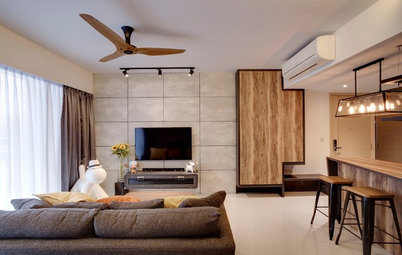
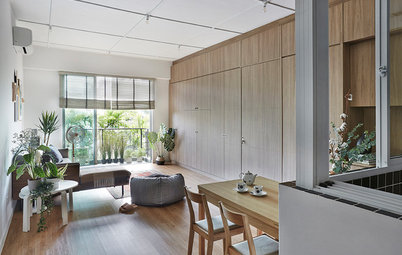

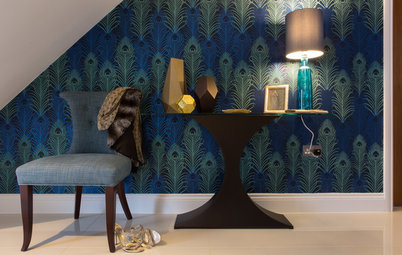


The circadian system is our internal body clock; a 24-hour cycle (or thereabouts) that tells us when to sleep and wake, as well as regulating other biological functions such as hunger, body temperature, blood pressure, growth and the release of melatonin and cortisol.
We keep our circadian system in step through exposure to sunlight, eating habits, daytime activity and darkness at night. Keeping our circadian rhythm in tune means our body’s cycle is optimised and stable, helping to maximise productivity and sleep quality.